
Oxidative stress
Oxidative stress is a biochemical process in which excessive production of free radicals and decreased antioxidant defenses lead to cellular damage. This mechanism is associated with aging, cancer, neurodegenerative and cardiovascular diseases.
Table of Contents
Free radicals
Free radicals are highly reactive atoms or molecules that have one or more unpaired electrons, which makes them unstable and causes them to react with other molecules or atoms, causing unwanted processes in the cell.
antioxidants
Antioxidants are substances that protect cells from the damaging effects of free radicals. Antioxidants neutralize reactive molecules and reduce the risk of oxidative stress. Oxidative stress plays a role in diseases such as cancer, Alzheimer's disease, and heart disease. Toxins — such as cigarette smoke and environmental irritants — contribute to oxidative stress. Foods rich in antioxidants can reduce its effects and protect cells.
What is oxidative stress?
Oxidative stress is an imbalance between two opposing molecules – free radicals and antioxidants. Oxidative stress involves an excess of free radicals and an insufficient amount of antioxidants. As a result, free radicals begin to damage the body’s cells and tissues. They damage various parts of the cell, including lipids (fats) and proteins, which are essential for the normal functioning of the cell.
Researchers believe that oxidative stress plays a role in the development of many chronic and degenerative diseases. Oxidative stress damages the DNA of healthy cells, which increases the risk of cancer. Oxidative stress causes atherosclerosis, or the formation of plaques in the arteries, as a result of chronic inflammation. The accumulation of atherosclerotic plaques in the walls of blood vessels reduces blood supply to the heart (coronary artery disease) and causes heart attacks. Long-term oxidative stress causes scarring of kidney tissue, which prevents them from functioning normally. This process is progressive and ends in kidney failure, which requires dialysis. Oxidative stress is associated with Alzheimer's disease, Parkinson's disease, and multiple sclerosis. Excess free radicals cause damage to the myelin sheath that protects neurons and the death of neurons, which ultimately manifests as neurodegenerative diseases.
The inflammatory process associated with oxidative stress also damages the human lungs and respiratory system, leading to the development of conditions such as asthma and chronic obstructive pulmonary disease (COPD).
Chronic inflammation associated with oxidative stress also damages connective tissue structures, which manifests as rheumatoid arthritis and other autoimmune processes.
What is the difference between free radicals and antioxidants?
Antioxidants and free radicals are molecules with opposing properties that play different roles in the body. Both are necessary for optimal biochemical processes.
For example: the body converts the food it eats into energy, which is used for all vital processes. In these processes, free radicals (reactive molecules or atoms) are formed, which are just a by-product of the transformation processes. A certain amount of free radicals is necessary to stimulate immune responses, but their number is important. Harmful factors, such as direct sunlight, alcohol, tobacco smoke products, lead to the formation of large amounts of such reactive molecules and atoms. Free radicals are unstable chemical molecules that have one or more unpaired electrons. This deficiency in the electronic structure makes them particularly reactive. In order to restore stability, they try to obtain electrons from other biomolecules (DNA, proteins, lipids), which causes structural and functional damage to these molecules. This process is known as oxidative stress, which is associated with cellular degeneration and the development of various pathological conditions.
Antioxidants act as protective biomolecules that donate electrons to free radicals without losing their stability. In this way, they neutralize reactive species and prevent the continuation of oxidative chain reactions. The antioxidant system includes both endogenous enzymes (e.g., catalase, glutathione peroxidase) and exogenous sources (vitamins C and E, beta-carotene, polyphenols).
When the amount of antioxidants is not sufficient, free radicals begin to “hunt” for other molecules. As a result, oxidative stress develops in the body.
What causes oxidative stress?
Anything that increases the number of free radicals in the body to unhealthy levels can cause oxidative stress. Medical professionals often refer to such factors as environmental factors or environmental triggers.
Well-known examples include: Environmental toxins — chemicals, heavy metals, air pollution. Smoking and tobacco use — increase the production of free radicals and damage the cardiovascular system. Excessive sun exposure — ultraviolet rays cause the accumulation of free radicals in skin cells. Excessive alcohol consumption increases — liver damage and oxidative stress. Stress — chronic psychological tension increases free radical levels.
What symptoms are caused by oxidative stress?
Oxidative stress can have both visible and invisible symptoms. They are often unnoticed at first, but over time they manifest themselves in skin damage, fatigue, cardiovascular problems, and neurological changes.
For example, the sun's ultraviolet (UV) rays damage the DNA of skin cells, resulting in wrinkles, age spots, and a pronounced venous network.
The effects of oxidative stress are often invisible to the naked eye, but the end results can manifest in the form of serious damage.
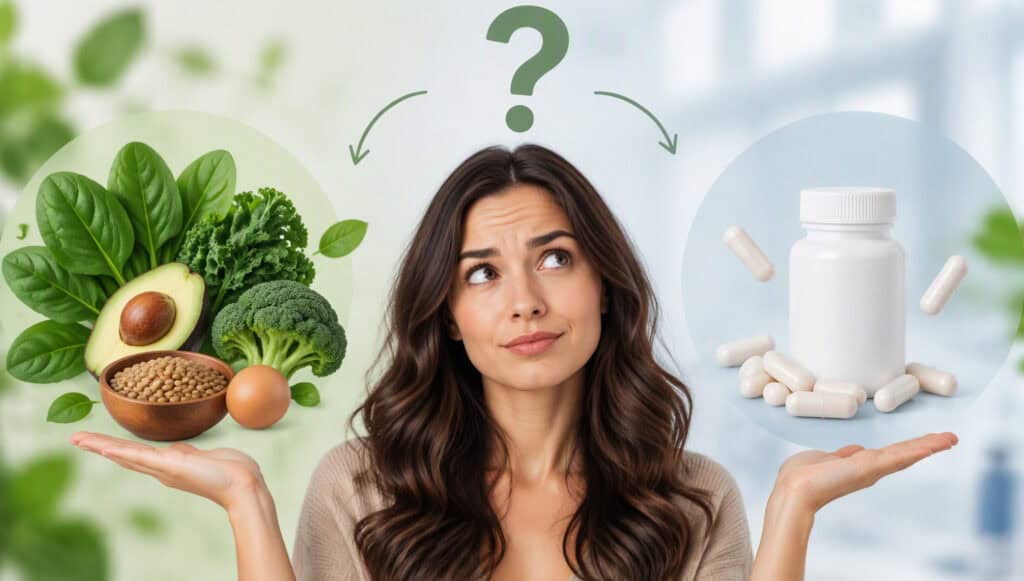
One of the main ways to reduce oxidative stress is to include antioxidant-rich foods in your daily diet. It is especially important to get antioxidants from living, healthy foods, not supplements.
Order tests online
Resources
https://my.clevelandclinic.org/health/articles/oxidative-stress